

Day 6 — Next.js Routing & Database Design for Backend (Learn With Me)
Welcome to Day 6! Today in my Learn With Me series, I explored one of the most important fundamentals of full-stack development — Next.js Routing and Backend Database Design.
These two topics define how your application’s pages connect and how your data stays structured, secure, and scalable.
🔹 What is Routing in Next.js?
Next.js uses a powerful file-based routing system. This means your folder and file structure directly becomes your app’s route. No need to manually set up React Router like in traditional React apps.
✨ Types of Routing in Next.js
- App Router (Next.js 13+) — modern routing under the
app/directory. - Dynamic routes — e.g.
/products/[id]. - Nested routes — folder-based hierarchy.
- API Routes — backend endpoints inside
/app/api/.
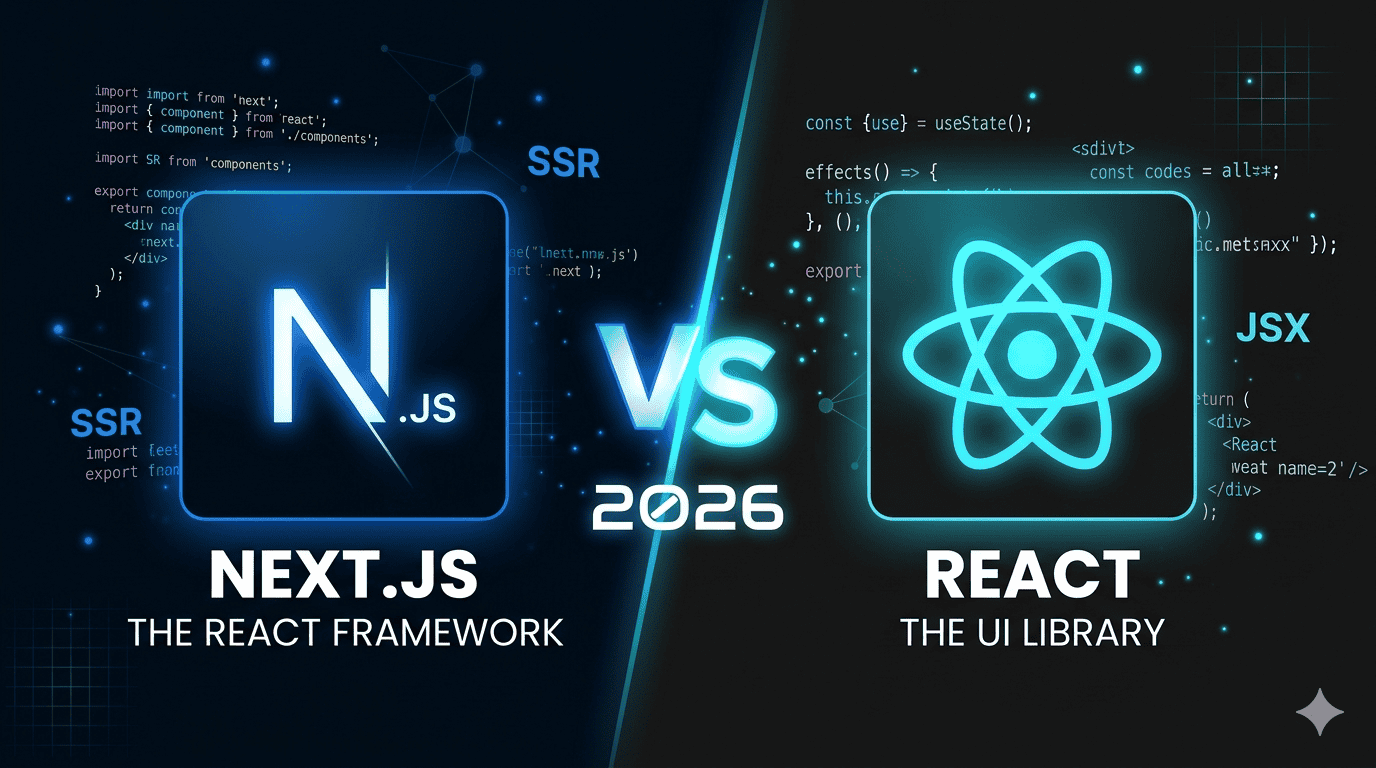
🔄 React Routing vs Next.js Routing
| React | Next.js |
|---|---|
| Uses React Router package | Built-in file-based router |
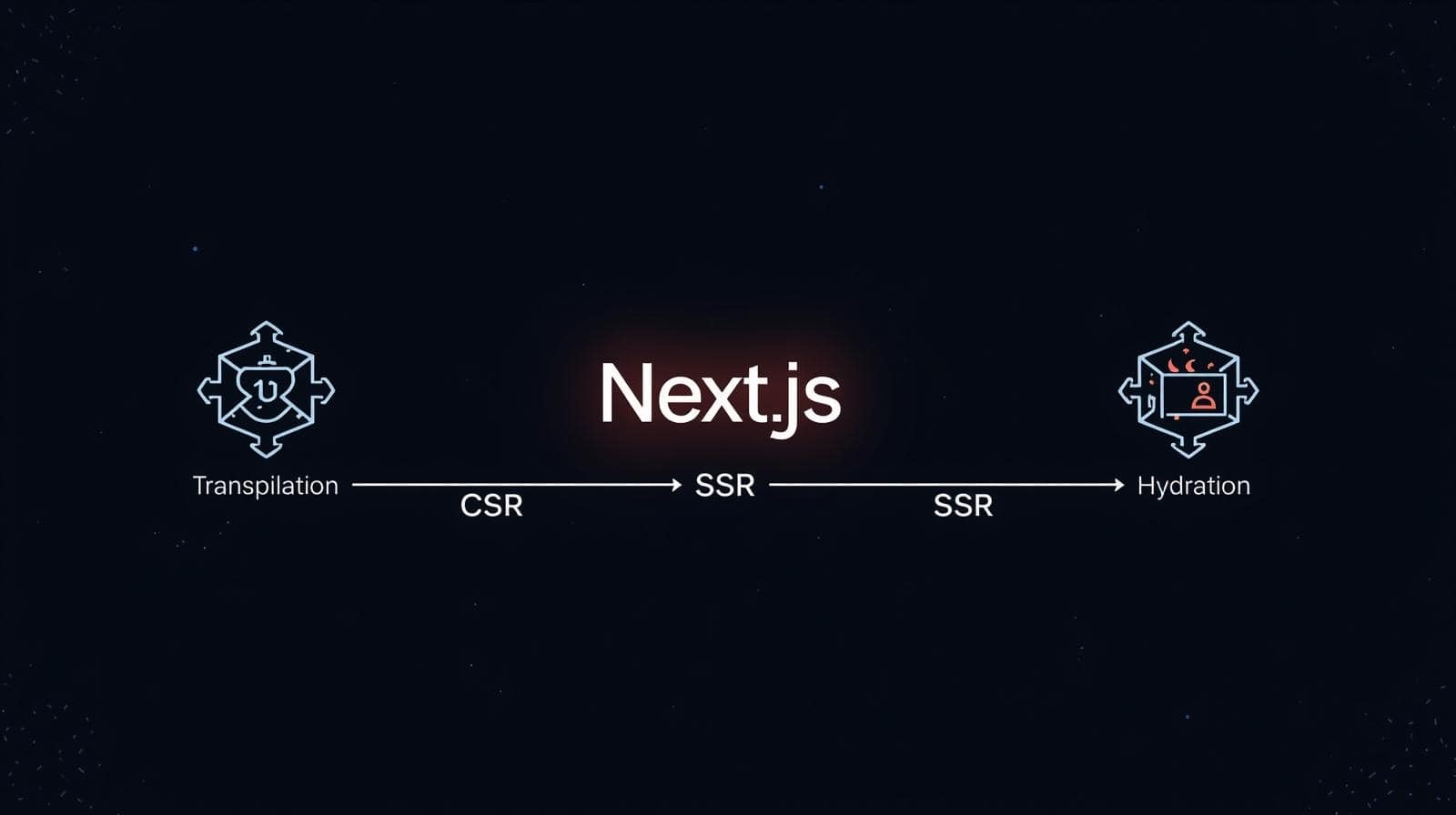
| CSR by default | CSR, SSR, SSG, ISR all built-in |
| Manual setup for routing | Folder = Route (automatic) |
Next.js Routing simplifies navigation and enables much faster rendering with SEO support.
🔹 Backend Database Design
A well-designed database decides the performance and scalability of your whole app. Today I learned how to structure backend databases properly before writing code.
SQL vs NoSQL — Which One to Use?
⭐ SQL (Structured Query Language)
- Uses tables and rows
- Best for structured data
- Great for complex relationships (foreign keys)
- Examples: MySQL, PostgreSQL
⭐ NoSQL (Non-Relational)
- Uses documents, key-value, graph, or columnar structure
- Flexible schema
- Great for unstructured or rapid-scaling apps
- Examples: MongoDB, Firebase
🧭 When to choose SQL?
Banking, eCommerce, inventory systems, ERP, anything with strict relational rules.
🧭 When to choose NoSQL?
Chat apps, social networks, real-time systems, rapidly changing data.
🔹 What is an ORM?
ORM (Object Relational Mapping) lets you interact with your database using JavaScript instead of writing raw SQL queries.
Benefits of ORM:
- Cleaner code
- Better security with prepared queries
- Easy migrations
- Model-based data management
Common ORMs: Prisma (SQL), Mongoose (MongoDB), Drizzle (SQL/SQLite).
📌 Final Thoughts
Routing and database design are the backbone of every full-stack application. Today’s learning made it clear that:
- Next.js routing is simpler and more powerful than traditional React routing.
- Choosing SQL or NoSQL depends on your project structure.
- ORM improves code quality and removes complex database operations.
Excited for tomorrow’s progress! 🚀




From start to finish, this blog post had us hooked. The content was insightful, entertaining, and had us feeling grateful for all the amazing resources out there. Keep up the great work!